
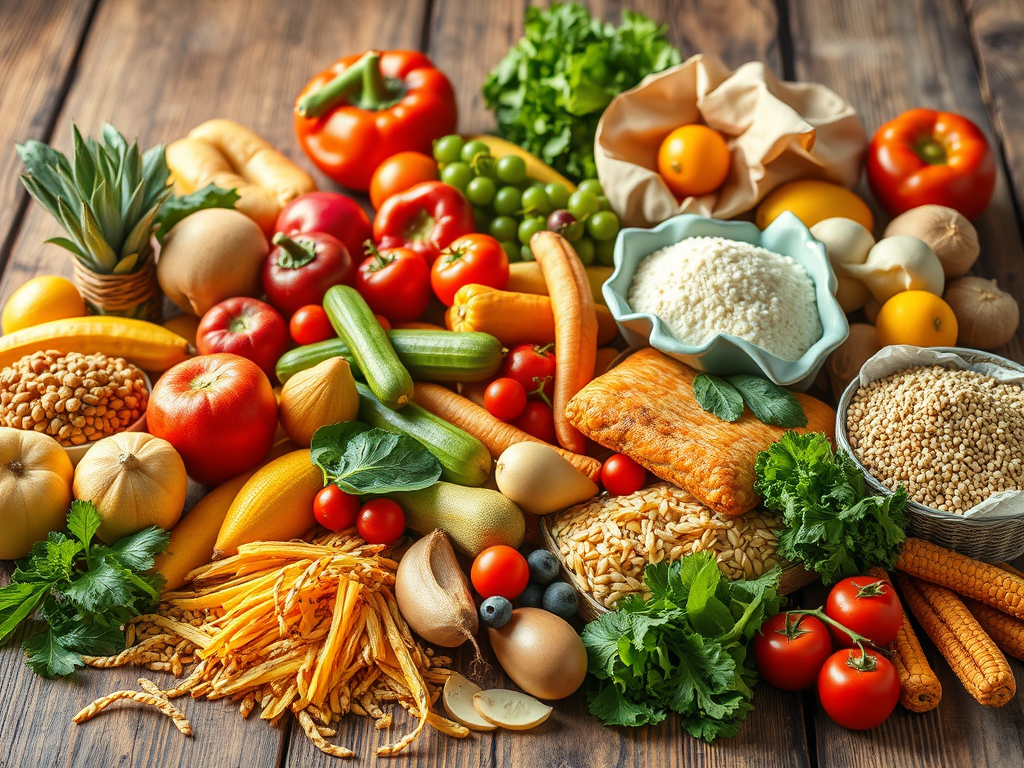
The global food system is complex ranging from its diverse range of stakeholders, large value chain from production to consumption and environmental and social consequences. Major social inequalities arise at present. One third of global food goes to waste while 11% of the population is undernourished. This inefficiency threatens peoples future wellbeing, exposing vulnerable groups to zoonotic diseases, antibiotic resistances and pollution. It is predicted that in 2050 compared to 2005 the worlds population needs 100-110% more plant production.
Besides the environment faces several threats due to habitat loss, accumulation of pesticides, monocultures, nutrient runoff, acidification and deoxygenation. The demand on food stocks causes, e.g. fish stocks to decrease, leaving the interlinked terrestrial, marine and aquatic food systems at stress. On top of those manmade impacts, which undermine the sustainable development goals, climate change correlates negatively with the global food system security. Spatial conflicts hamper the implementation of sustainable food production practices.
In order to respect the planetary boundaries alongside sustainable food production and supply resilience and sustainable approaches are needed.
 Earth‘s Legacy Blog
Leave a comment