
Before reading this article, you can take the pollution quiz and test your knowledge: https://earthslegacy.blog/2024/10/15/air-pollution-quiz-2/
Germany’s primary pollutants are non-methane volatile organic compounds, nitrogen oxides (European Council 2024), carbon monoxide (IQAir 2024), ammonia, particulate matter, methane, ozone and sulphur dioxide (European Council 2024). Between 1990 and 2021 research shows a significant decrease from 64 million tonnes to 20 million tonnes in all mentioned air pollutants (European Council 2024) which results in improved air quality (IQAir 2024). The main sources of pollution are anthropogenic (IQAir 2024). This includes non-renewable energy consumption/supply, manufacturing and extractive sector (European Council 2024), agriculture, road traffic and waste treatment (IQAir 2024).
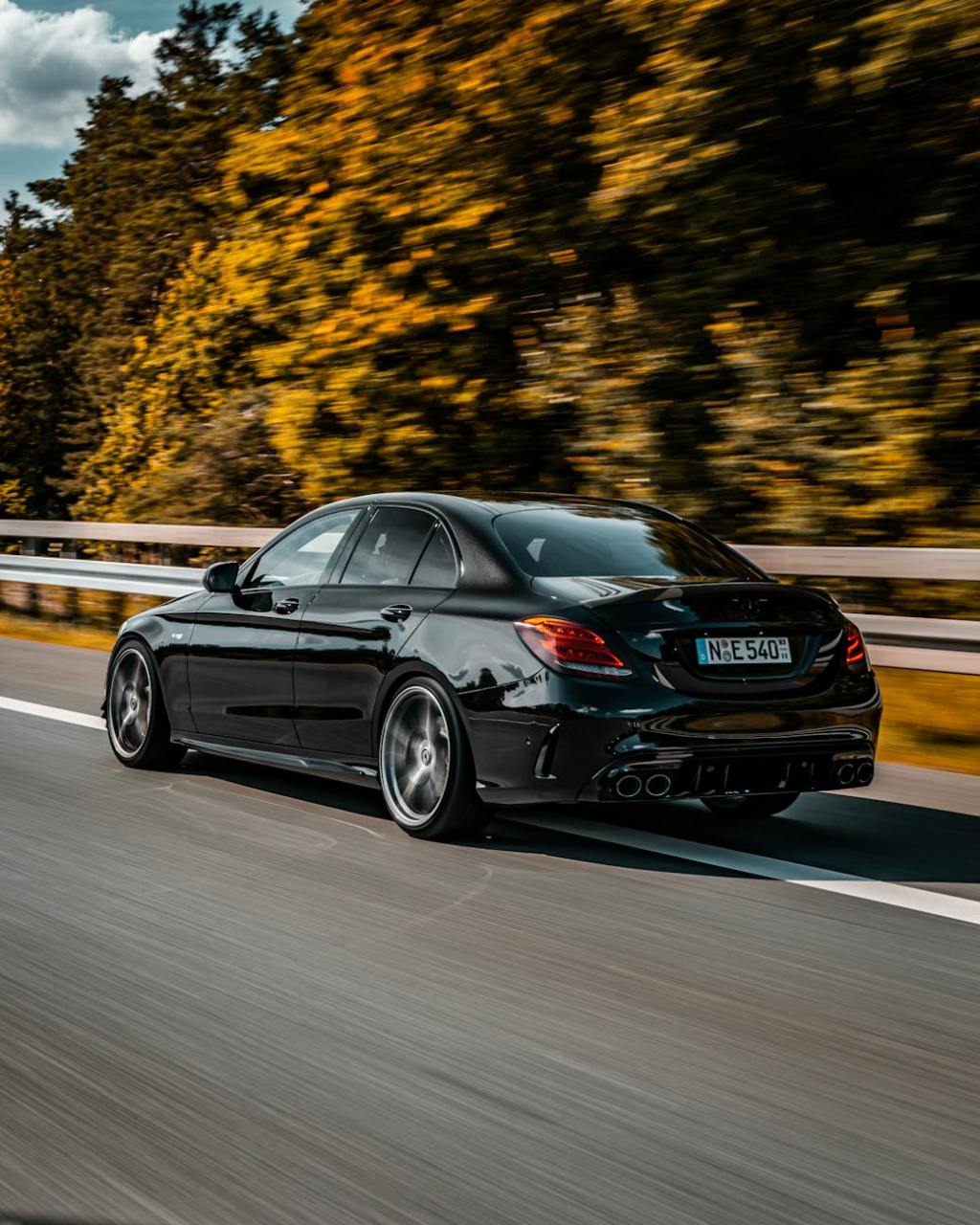
The Air Quality Index classifies the air quality as moderate or good, which can easily be misleading as the health issues caused by pollution are underestimated (IQAir 2024). Fine particulate matter and particulate matter are the main driver of health issues due to their relatively high exposure (IQAir 2024). As a consequence there is a higher risk for cardiovascular, pulmonary diseases and cancer leading to premature death (IQAir 2024), e.g. 238.000 deaths in Europe can be associated with exposure to fine particulate matter (European Council 2024). 97% of the EU’s urban citizens are exposed to higher concentrations of fine particulate matter than recommended by the World Health Organisation (European Council 2024). Vulnerable groups, children, sick people, asthmatics and elderly people, are affected specifically (IQAir 2024). Besides, in 2015 the exposure to ozone caused 43.000 deaths in Germany (IQAir 2024). Ground level ozone is created by harmful pollutants reacting with each other (European Council 2024). 30% of the emitted ozone is related to diesel and petrol combustion in traffic (IQAir 2024). Germany is known for its cars and no speed limit on motorways, causing high amounts of pollution. This is a highly discussed topic – science has already proven when driving at a lower speed, less pollutants are emitted (IQAir 2024) but the preservation of German driving culture and motorway tourism is more important to most conservative politicians and a speed limit will not be implemented in the near term. In 2018 29.1 million t/CO2 e were emitted on German motorways. A speed limit of 130 km/h emissions would reduce pollution by 1.9 million t/CO2 e in comparison to a speed limit of 120 km/h and a reduction of 2.6 million t/CO2e (IQAir 2024). In addition to an increased air quality, noise reduction and fewer safety concerns can be achieved (IQAir 2024).
Amongst other alarming physiological and psychological health consequences for humans, nature is affected similarly. Pollutants negatively affect the pH-value in soil and waterways causing acidification, eutrophication and a lack of nutrient availability and absorption (IQAir 2024). In the long term biodiversity, ecosystem services and the agricultural outputs are at risk (European Council 2024).
Do your know the air quality in your city? Find out here: https://www.iqair.com/germany
References
European Council (2024) Air pollution in the EU: facts and figures [online] Available from: https://www.consilium.europa.eu/de/infographics/air-pollution-in-the-eu/
Air Quality Index and Air Pollution Information (2024) Air quality in Germany [online] Available from: https://www.iqair.com/germany
 Earth‘s Legacy Blog
Leave a comment